ADVERTORIAL

Cooling Ace Explained: What a Personal Evaporative Cooler Can — and Can’t — Do This Summer
A plain-language buyer’s explainer on how evaporative personal coolers work, how they compare with air conditioners, and the simple habits that get the best results.

Updated September 2026 · 6 min read

The short version — Cooling Ace is a compact
evaporative cooler. It moves room air across a water-soaked pad so the breeze coming out
feels cooler than the air around it. That makes it a very different tool from an air
conditioner, and knowing the difference is the key to being happy with one. This guide
covers how it works, what to realistically expect and how to set it up well.
A personal cooler is built to cool the person in front of it — not the whole house.
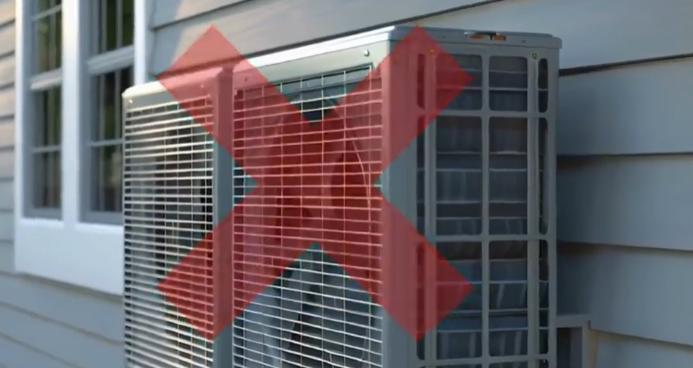
That single idea explains most of what buyers get right, and wrong, about devices like Cooling Ace. An air conditioner removes heat and moisture from a room and pumps that heat outdoors. An evaporative cooler adds a little moisture to the air and uses evaporation to lower the temperature of the airflow it produces.
It’s the same effect you feel stepping out of a pool on a breezy day.
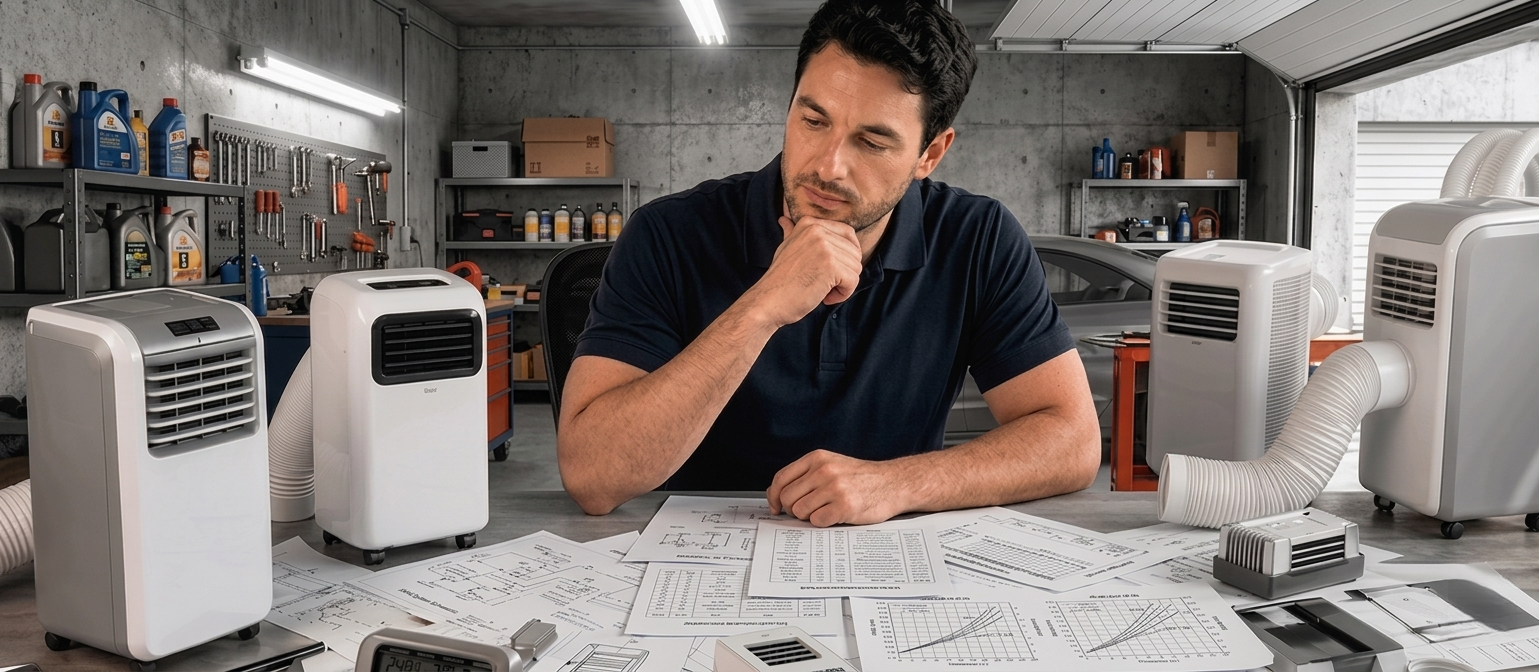
When water evaporates, it absorbs heat from the air around it. Send a fan’s airflow through a damp filter and the air leaving the other side is cooler than the air that went in. How much cooler depends mostly on how dry the surrounding air already is.
That is why evaporative coolers are known for doing well in drier climates and on
dry afternoons, and for feeling more modest on muggy days when the air is already holding a
lot of moisture.
How It Works: Water, a Filter Pad and a Fan
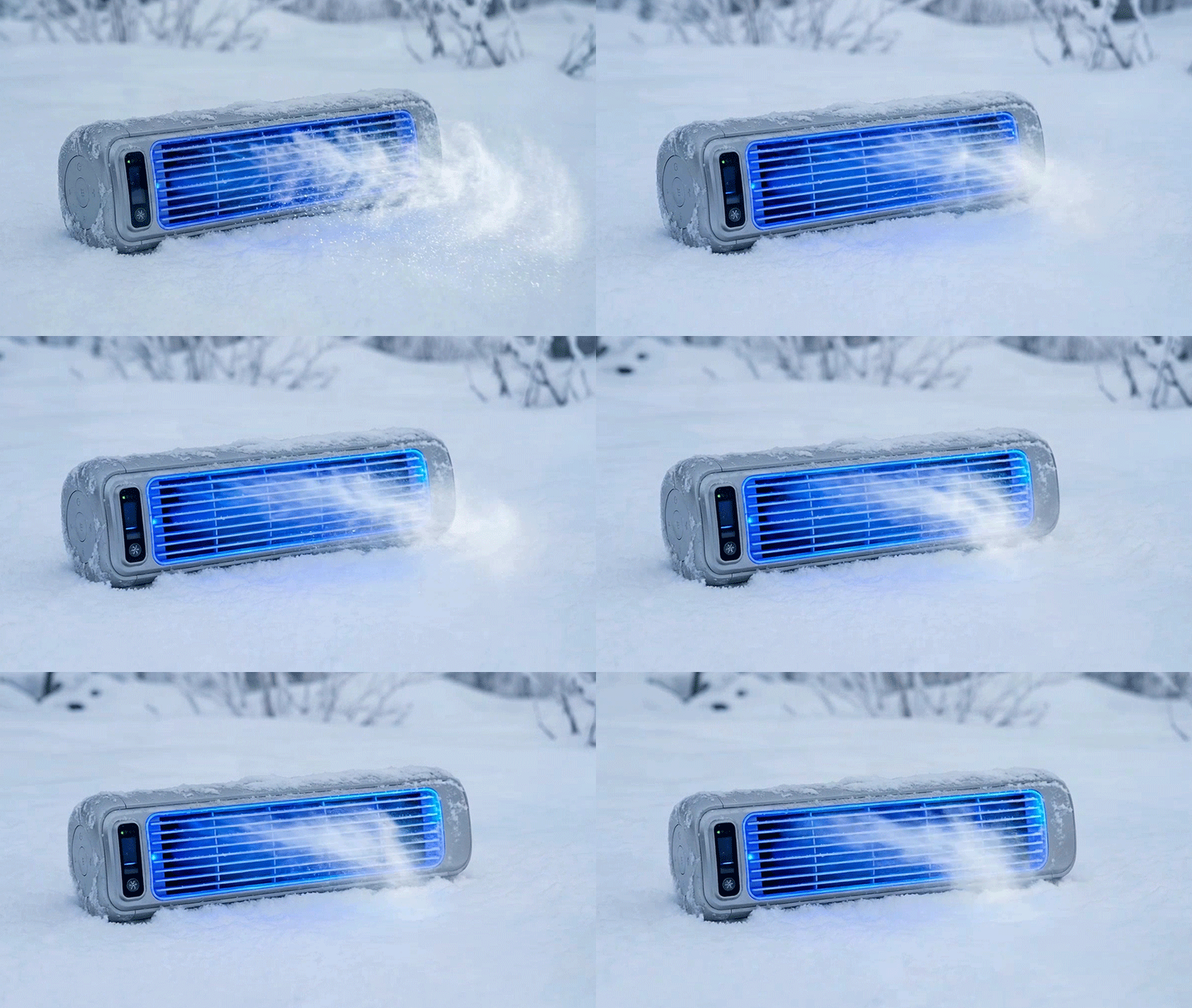
Inside a unit like this there are three main parts: a small water tank, an
absorbent filter pad that stays damp from that tank, and a fan that pulls room air through
the pad and sends it out the front. There is no compressor and no refrigerant, which is why
this type of cooler can be small, light and simple to set up.
The trade-off is that it does not move heat out of your home. The effect is local: strongest in the airflow directly in front of the unit and gentler the farther away you sit.
What that means in practice
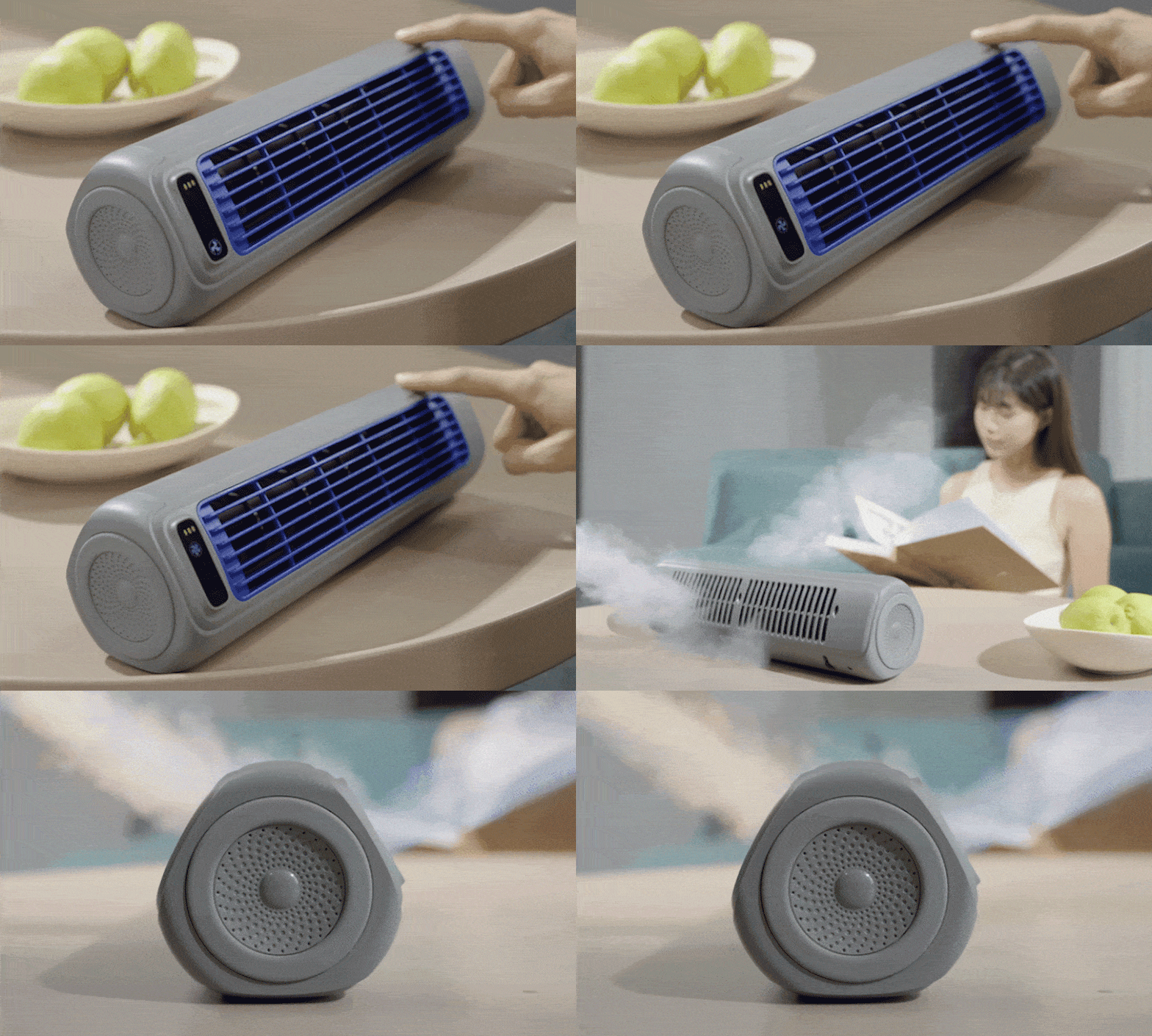
Expect a cooler personal breeze at your desk, bedside or favorite chair
— not a room that feels like it has central air.
Evaporative Cooler vs. Air Conditioner: An Honest Comparison
An air conditioner uses a refrigerant cycle to pull heat and humidity out of
a room and vent it outside. It can cool large spaces and copes with humid weather, but
it usually needs a window, wall or hose installation and draws considerably more
power.
Where a personal cooler differs
A personal evaporative cooler sits on a desk or nightstand, needs no
installation and uses far less power than a compressor-based unit. In exchange, it cools
a small zone rather than a whole room, adds some humidity, and needs its tank topped up
with water.
For many households the sensible answer is
both: air conditioning for the house where it is needed, and a small unit such as Cooling Ace for the spot where you actually sit.
Neither Is “Better” — They Solve Different Problems
If you need to bring down the temperature of a large or humid room, an air
conditioner is the right tool. If you want targeted, low-effort comfort in one spot, Cooling Ace is designed for that job.
What Cooling Ace Is Designed to Do
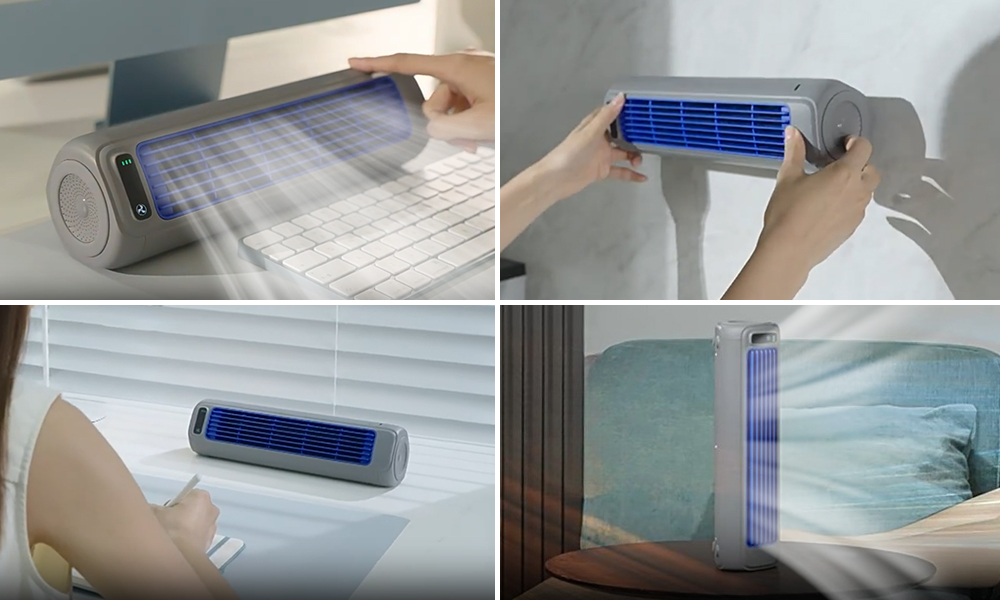
✓ Personal evaporative cooling — a
cooler airflow aimed at you, felt most within a few feet of the unit.
✓
No installation — no window kit, ducting or exhaust hose; set it down and
plug it in.
✓ Refillable water tank — the filter pad draws from
the tank, which you top up as it runs low.
✓ Designed for quiet use
— the manufacturer describes it as suited to desks and bedsides; perceived noise
varies with the fan setting.
✓ Compact and portable — easy to
move between rooms; see the official site for current size and weight details.
Where It Fits — and Where It Doesn’t
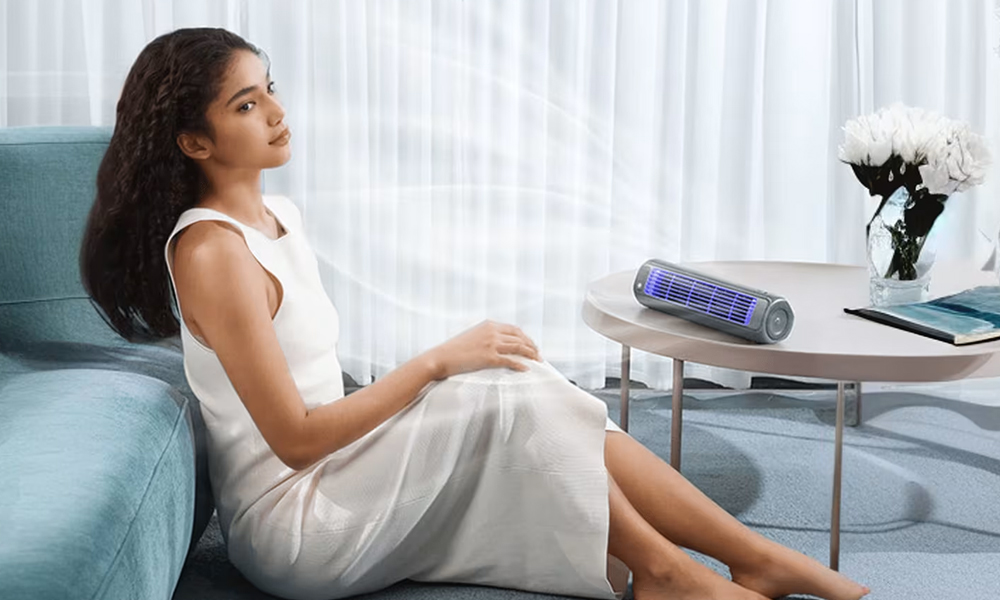
Cooling Ace tends to suit people
who want to:
- Feel cooler at a desk, bedside table or reading chair
-
Add targeted comfort where the main AC doesn’t reach well
- Use a cooler
that needs no window installation, such as in a rented space
- Carry one
compact unit between home office, bedroom and workshop
It is a weaker fit for
cooling a large open-plan room, a very humid space, or as the only cooling for someone
who is vulnerable to heat.
Getting the Best Results
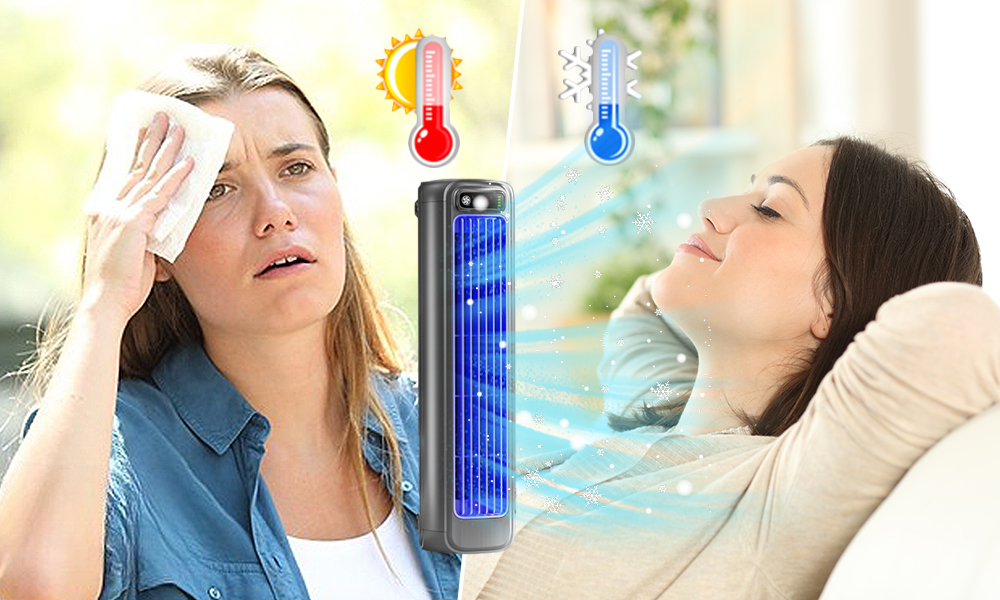
A few simple habits make a noticeable difference with any evaporative cooler,
including Cooling Ace:
Keep it close. Place
the unit within a few feet of where you sit or sleep and aim the airflow at
you.
Start with cool water. Fresh, cool water in the tank helps the
airflow feel cooler from the start.
Let the room breathe. A slightly
open door or window stops humidity building up in a small closed
room.
Look after the pad. Refill regularly, let the filter dry out
between uses, and clean or replace it as the instructions describe.
The Design at a Glance
Six things worth understanding about how a personal cooler like Cooling Ace is put together before you decide whether it suits you.
Evaporation does the cooling
Room air is drawn through a damp filter pad. As the water evaporates it absorbs heat, so the air leaving the unit is cooler than the air going in.
No compressor or refrigerant
The parts that make a conventional air conditioner heavy and involved to install are simply not part of this type of device.
Modest power needs
A fan and a wet pad need far less energy than a refrigerant cycle. Check the official product details for the stated power rating.
Nothing to install
No window bracket, ducting or exhaust hose to fit — one reason this category is popular with renters.
Portable by design
Compact enough to carry from a desk to a nightstand to a workbench as your day moves around.
Happiest in drier air
Evaporation slows when the air is already humid, so the effect is strongest on dry days and milder on muggy ones.
How It Works
A simple four-step cycle — worth knowing, because each step points to something you can do for better results.
Fill the tank and switch on
Add clean, cool water to the tank. The filter pad soaks it up and stays damp while the unit runs.
The fan draws in room air
Warm air from around the unit is pulled into the intake. Good airflow around the unit helps it work well.
Air crosses the wet pad
As air moves through the damp filter, some of the water evaporates and takes heat with it. Drier air means a stronger effect.
A cooler breeze flows out
The cooled, slightly more humid air is directed toward you. Keep the unit close and refill the tank when it runs low.
What Owners Tend to Mention
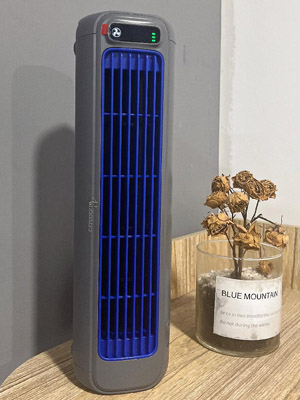
 Johnny
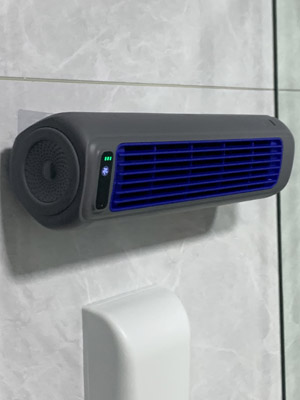 Adam
Adam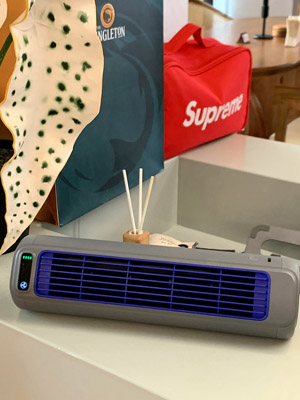 Flora
FloraCommon Buyer Questions
Straight answers to what people ask most before choosing a personal evaporative cooler.
Does it work like an air conditioner?
No. An air conditioner removes heat and moisture from a room with a refrigerant cycle. Cooling Ace is an evaporative cooler: it cools the airflow it produces by evaporating water, so it is best for personal, close-range comfort.
Will it cool an entire room?
It is intended as a personal cooler, so you will feel it most within a few feet of the unit. To lower the temperature of a large room or a whole home, an air conditioner is the more suitable choice.
Does it work in humid weather?
Evaporative cooling is most effective in drier air. In high humidity the cooling effect is noticeably smaller, and running it in a small, closed room can add to the humidity — so a little ventilation helps.
How often does the tank need refilling?
It depends on the fan setting, the tank size and how dry the air is — drier air evaporates water faster. See the product details on the official site for the manufacturer’s stated run time per fill.
Does it need any installation?
No. There is no window kit, ducting or exhaust hose. It sits on a flat, stable surface and plugs into a power source, so it can be moved from room to room.
How do I keep the filter fresh?
Use clean water, empty the tank if the unit will sit unused, and let the pad dry out between sessions. Follow the manufacturer’s instructions for cleaning or replacing the filter.
Who handles my order and any return?
The merchant does. This page is published by AirFrostPro as a paid advertisement; we do not sell, ship or service the product. Payment, delivery, warranty and returns are handled by the seller — check the seller’s current return policy on the official site, and see our Disclaimer and Terms and Conditions.
Checking Price and Availability
Cooling Ace is sold through the manufacturer’s official website. Pricing, any current offers and shipping options are set by the seller and can change, so see the current price on the official site before you order.
Before You Order
Quick check: think about the space you want to cool and how humid it usually gets where you live. Cooling Ace is at its best as a close-range personal cooler in reasonably dry air.
Tip: Read the specifications on the official Cooling Ace site — tank capacity, power requirements and filter care — so you know exactly what to expect.
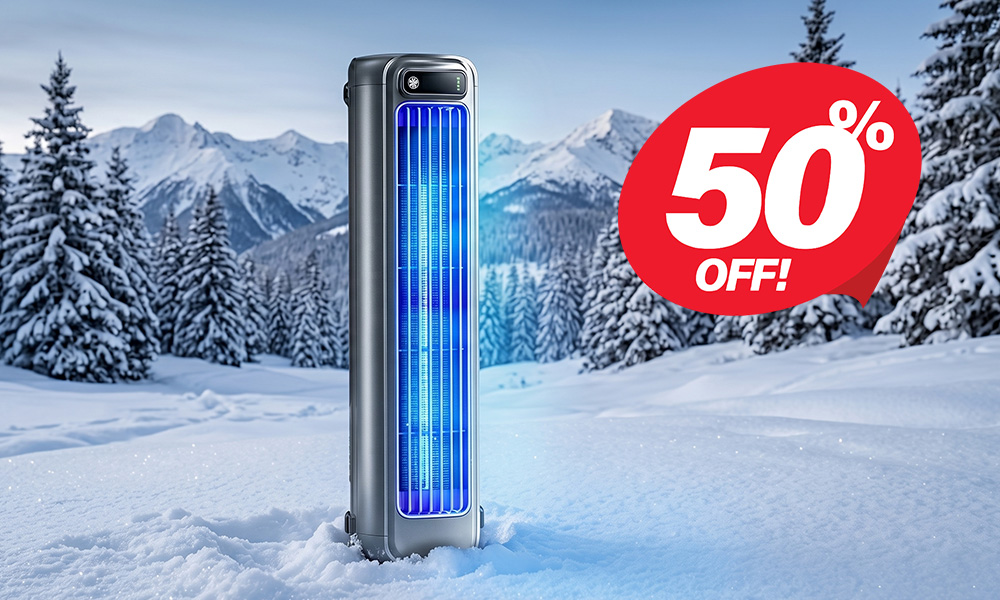
Good to know: Cooling Ace is ordered on
its official website, not through this page.
Returns:
Check the seller’s current return policy on the official
site.
✓ Checkout handled on the official site
✓
Shipping options listed by the seller
✓ Care and filter instructions
from the manufacturer
Reader Comments